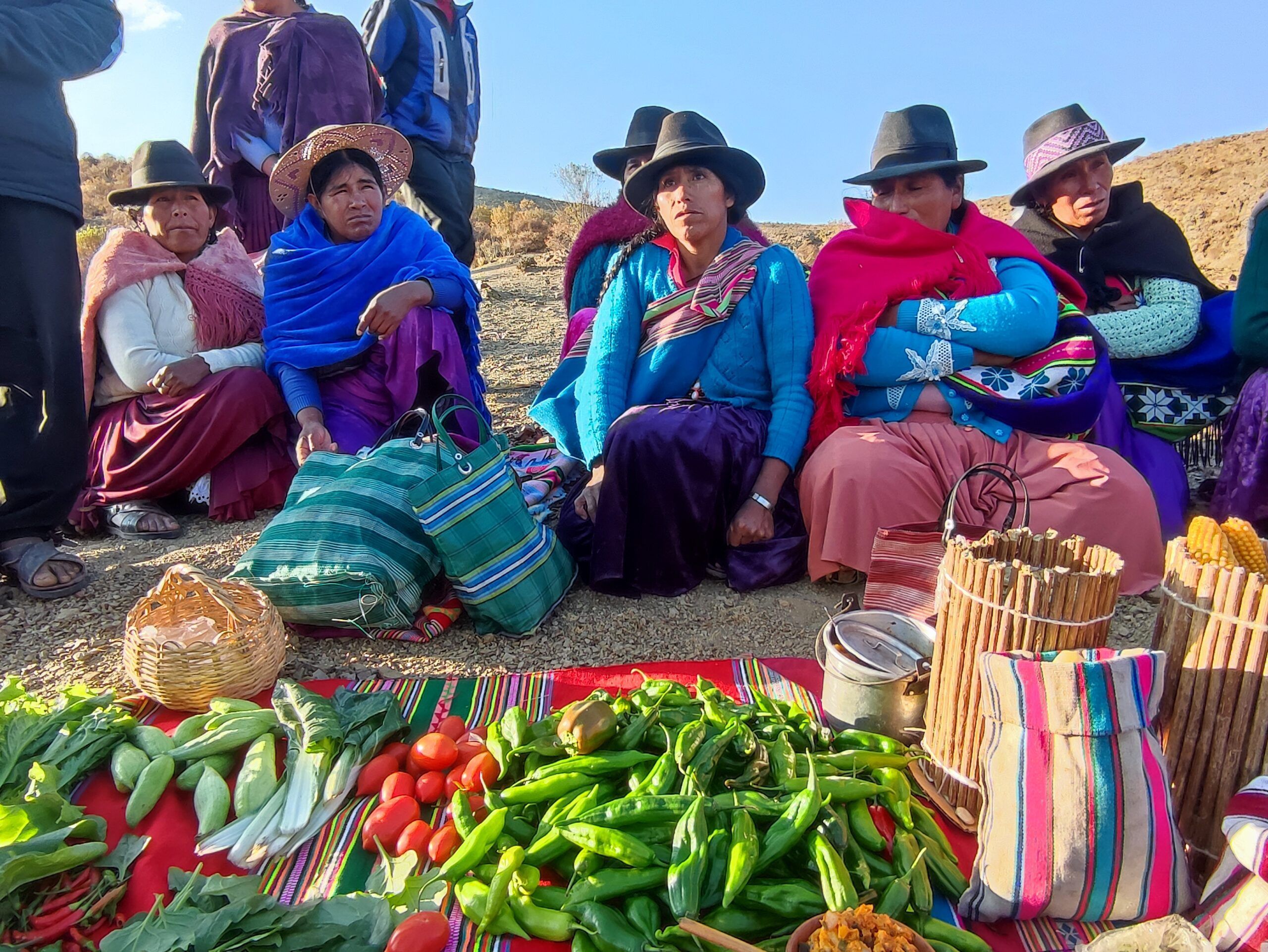
Promoting sustainable local economic development with the participation of women for governance and the exercise of their rights in Ckochas
IPTKBackground Information
The program responds to the demands of peasant and indigenous producer families, productive economic associations, and women’s organizations. It is aimed at strengthening food systems and the local economic fabric for sustainability, promoting environmental governance with gender equity in the municipality of Ckochas, through the following strategies: Environmental resilience in the face of the climate crisis with a gender approach and women’s participation to ensure food sovereignty for families; Strengthening capacities in processes of production, transformation, and fair and responsible marketing of agricultural, fruit, beekeeping, and aquaculture products from 8 productive economic associations; Strengthening the leadership capacities of indigenous peasant organizations and women leaders with participation in local governance and advocacy in public policies regarding food sovereignty, environmental resilience, and women’s rights.
Location
Ckochas
Local partner
IPTK
Goals
Overall Goal: Promote food sovereignty, local economic development, and environmental governance with gender equity in response to the climate crisis in the municipality of Ckochas.
Specific Goal:Strengthen food systems and the local economic fabric for sustainability, promoting environmental governance with gender equity in the municipality of Ckochas.
Target population
(440 women and 462 men).
Duration of the project
Budget
Funding
TAU, Government of Navarra (600.000€)
Activities:
- Sustainable family practices for agricultural, horticultural, and fruit production.
- Implementation of solar tents for the production of organic vegetables and the raising of laying hens.
- Construction of communal water reservoirs with water committees, and installation of irrigation systems.
- Training workshops on strengthening organizations, electing governing boards, statutes, regulations, and obtaining legal status.
- Renovation and equipping of centers of productive economic associations according to SENASAG requirements for school breakfast.
- Development of business practices using simulators (production costs, product, price, and market).
- Workshops on masculinities and the care economy for the partners of associated women.
- Participation in trade fairs.
- Training workshops for women leaders on conflict resolution, political training with leadership, rights, oversight, and social control.
- Participation of women leaders in mobilizations to exercise their rights.