Promoting Food Sovereignty in the Face of the Climate Crisis with Environmental Resilience, Gender Equity, and Masculinities in Communities of the Municipality of Poroma
IPTKJustification
The central problem in the municipality is poverty, which impacts the food and nutritional situation of the population. Natural disasters also affect the area, leading to low agricultural production, livestock mortality, and increased permanent migration. The project will address the low capacity for climate resilience in the face of the negative effects of climate change, which reduces the availability and access to food. This, combined with the exclusion of women from productive agricultural processes, puts the food security of rural families at risk.
Location
Poroma
Local Partner
IPTK
Objectives
Objetivo General: To contribute to reducing poverty and social exclusion among rural and Indigenous populations in Poroma communities through the full exercise of women’s rights, food sovereignty with a gender perspective, and environmental sustainability.
Specific Objective: To improve food security and sovereignty for rural and Indigenous families in the municipality of Poroma, by ensuring the availability of nutritious food and empowering and promoting the leadership of rural and Indigenous women. This will be done in coordination with rural and women’s social organizations, to ensure the exercise of their rights with gender equity and environmental resilience.
Target Population
(302 women and 266 men)
Project Duration
Budget
Funding
TAU, Government of Cantabria (106.925€)
Activities:
- Training for women from the Bartolina Sisa Organization, and rural women and men producers, in leadership, rights, violence prevention, gender equity, conflict resolution, public policy management, shared responsibility in caregiving, and masculinities.
- Creating spaces for dialogue and debate among women at the organizational and municipal levels to develop gender-equitable proposals and present them in municipal planning spaces.
- Agroecological training practices in vegetable and fruit production and environmental resilience.
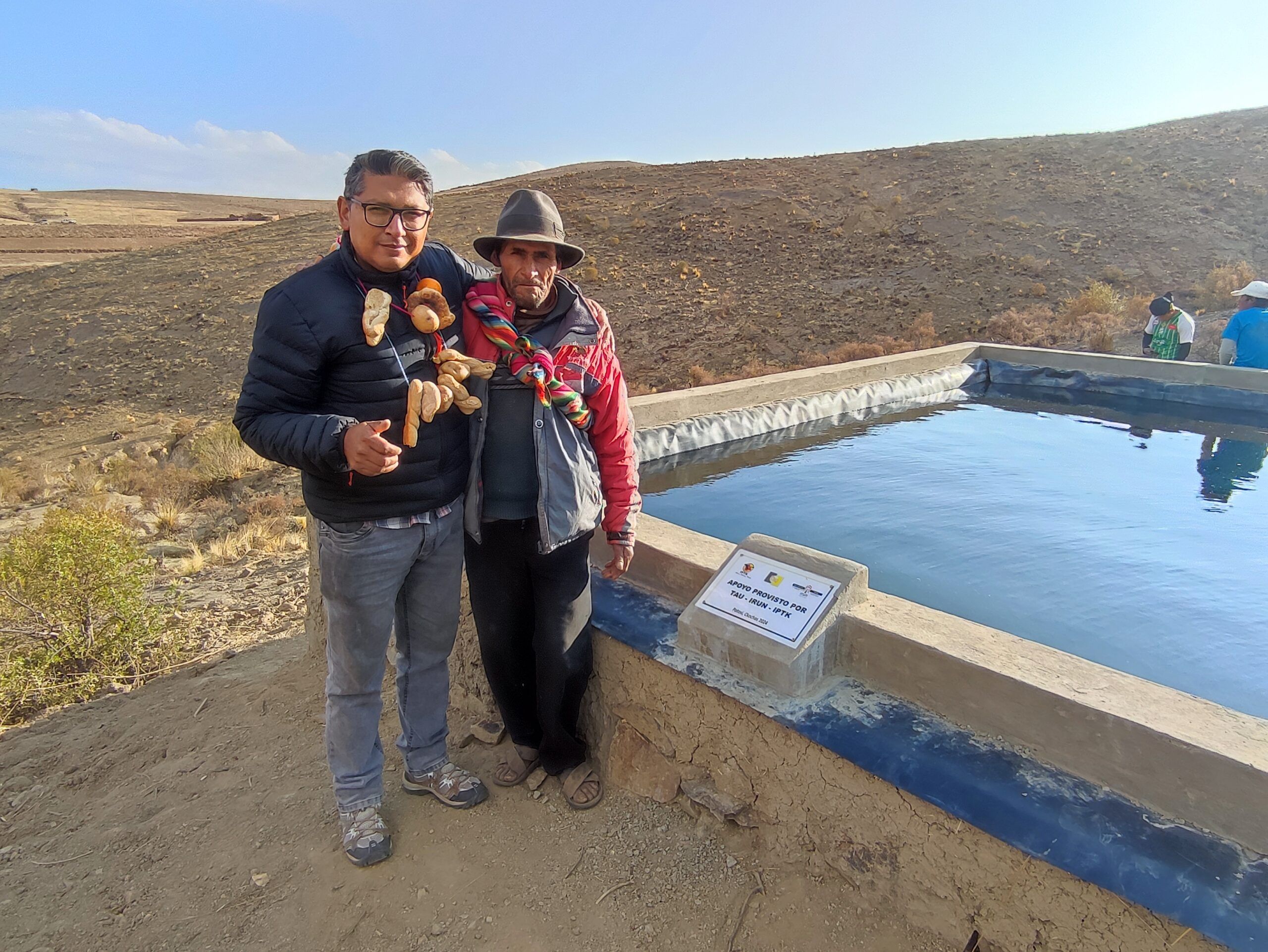
- Construction of water reservoirs with geomembranes and the implementation of water tanks and drip irrigation systems in horticultural production plots.
- Training workshops on a Nutritional Food Education Program with a gender equity approach.
- Nutritional food practices to diversify the family diet with high nutritional value.