The Bus of Harmony and Good Living - 2026
Fundación San Lucas - CochabambaJustification
In the districts where FSL works, a series of structural problems have been identified, linked to the absence of adequate public services, development opportunities, and access to fundamental rights. This situation has created conditions of vulnerability that particularly affect women, children, adolescents, and impoverished communities. The main challenges are described below:
- High levels of gender-based and domestic violence.
- Lack of comprehensive and intercultural healthcare services.
- School dropout and educational exclusion.
- Overburden and low self-esteem among women caregivers.
- Violation of sexual and reproductive rights.
- Increase in addictions and deterioration of mental health.
- Breakdown of family and community ties.
In response to this situation, the present project seeks to prioritize community mental health while continuing to address physical health, strengthening family and community bonds, and promoting values that contribute to “Good Living” (Buen Vivir).
Location
Cochabamba
Local Partner
San Lucas Foundation (FSL)
Objectives
General Objective:
To promote mental health by encouraging healthy and psychosocial habits for family and community well-being in 8 vulnerable communities in the South Zone, Districts 14 and 15 of Cochabamba.
Specific Objectives: 1) To promote emotional well-being, community mental health, a culture of peace, and harmonious coexistence. 2) To strengthen comprehensive physical and preventive healthcare services. 3) To promote structural community strengthening for the sustainability of the right to health.
Target Population
(160 women, 70 men, 180 children, and 25 young people).
Project Duration
Budget
Funding
TAU, Fundación Hermanos Iraizoz-Astiz (48.000€)
Activities:
1. EMOTIONAL WELL-BEING AND MENTAL HEALTH
WOMEN
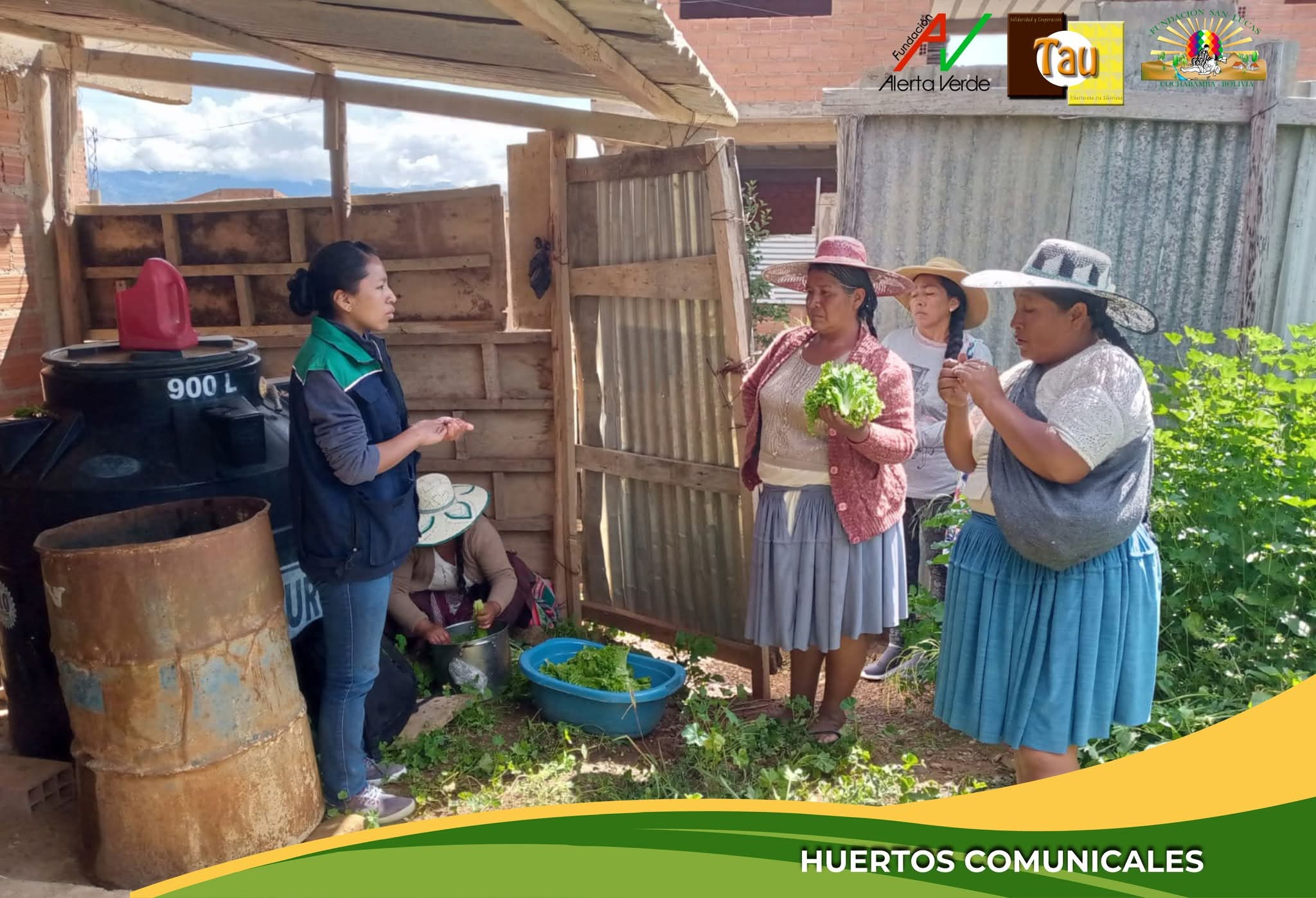
• Workshops on self-awareness, prevention of anxiety and gender-based violence, harmonious family coexistence, and screen-free leisure time.
• Recreational activities (outings, sports events, etc.).
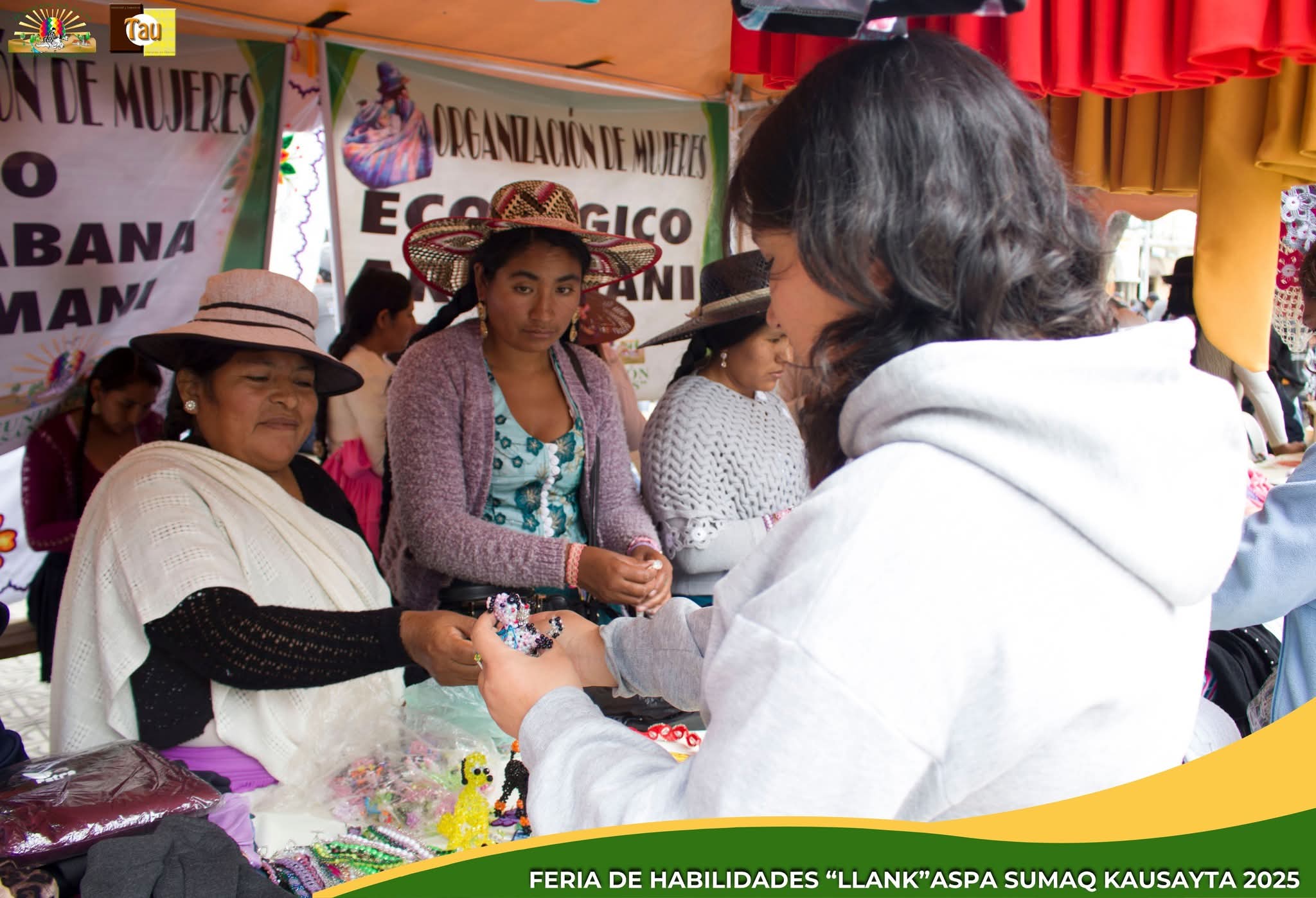
• Participation in fairs on skills, ancestral medicine, traditional foods, and the selection of ñustas (community representatives/queens).
• Training for women entrepreneurs.
CHILDREN
• Experiential workshops with dynamic games.
• Recreational activities and sports events.
YOUNG PEOPLE
• Experiential workshops on physical and emotional well-being, sexual harassment, and prevention of mental health disorders.
MEN
• Workshops on health and well-being, non-violent education, and equitable and respectful partner relationships.
• Participation in sports tournaments.
2. PHYSICAL HEALTH
• Biweekly general medical consultations.
• Deworming campaigns for children and adults.
• Cervical and breast cancer screening campaigns.
• Oral and dental healthcare services.
• Workshops on sexual education, family planning, prevention of sexually transmitted diseases, personal hygiene, visual health, and oral health.
3. COMMUNITY STRUCTURAL STRENGTHENING IN SUPPORT OF HEALTH
• Signing cooperation agreements with shared responsibility in favor of OTB members (Territorial Base Organizations).
• Establishing strategic alliances with universities, municipal government, networks, consortiums, and…